Underground excavations in Fort Wayne represent a specialized branch of geotechnical engineering focused on the safe and efficient creation of subterranean spaces, ranging from utility tunnels and sewer systems to building basements and deep foundations. Given the city's ongoing infrastructure renewal and urban development, understanding the behavior of the ground beneath is critical to preventing collapses, minimizing settlement, and protecting adjacent structures. This category encompasses the full lifecycle of underground works, from initial site investigation and design through construction monitoring and long-term performance assessment.
Fort Wayne's geology presents unique challenges for underground construction. The area is underlain by glacial deposits, including tills, outwash sands, and gravels, overlying Silurian and Devonian bedrock. The presence of soft, water-sensitive clays and loose alluvial soils along the St. Marys and Maumee river corridors demands rigorous geotechnical analysis for soft soil tunnels to manage face stability and groundwater inflow. In upland areas, weathered bedrock and erratic boulders can complicate excavation sequencing and support design.
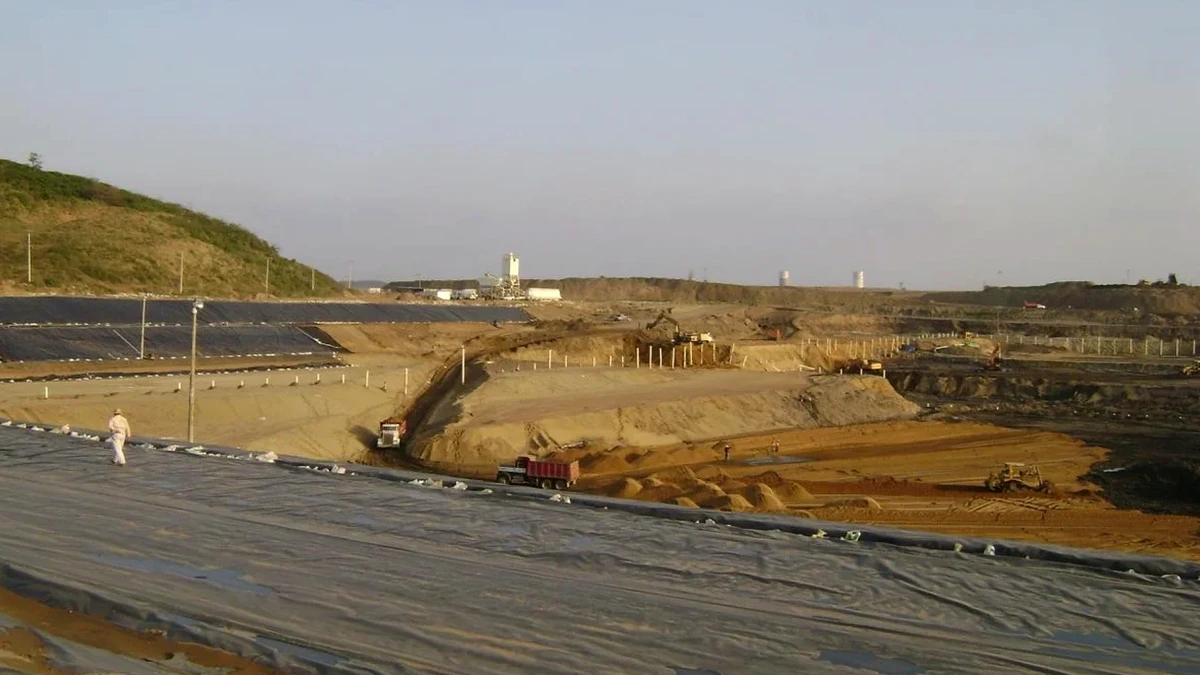
All underground excavation projects in Indiana must comply with OSHA Subpart P for trenching and excavation safety, as well as local building codes that reference the International Building Code (IBC) and ASCE standards. For public infrastructure, the Indiana Department of Transportation (INDOT) Standard Specifications govern tunneling and deep foundation work. A thorough geotechnical design of deep excavations must incorporate these regulations alongside site-specific geotechnical parameters to ensure worker safety and structural integrity throughout the construction phase.
Typical projects requiring underground excavation solutions in Fort Wayne include deep sewer interceptors, stormwater detention tunnels, underground parking structures, and building basements in the downtown district. Trenchless technology installations, such as microtunneling and pipe jacking, are increasingly common to minimize surface disruption. Each of these applications demands a tailored approach to ground support, dewatering, and real-time geotechnical excavation monitoring to verify design assumptions and trigger contingency measures if ground movements exceed acceptable thresholds.
Quick answers
What are the main geotechnical risks associated with underground excavations in Fort Wayne?
The primary risks include ground collapse in soft or loose soils, excessive water inflow from perched aquifers or riverine deposits, and settlement-induced damage to nearby buildings and utilities. Glacial till variability and the presence of buried organic layers can also create unexpected ground behavior, making thorough site characterization essential before any excavation work begins.
Which permits are required for underground excavation projects in Fort Wayne?
Projects typically require a right-of-way permit from the City of Fort Wayne for public infrastructure work, an INDOT permit if state routes are affected, and compliance with local stormwater management ordinances. Deep excavations near waterways may also need a permit from the Indiana Department of Environmental Management (IDEM) and possibly a USACE Section 404 permit.
How do groundwater conditions affect underground excavations in this region?
Groundwater levels in Fort Wayne are often high, especially near the river corridors, and can fluctuate seasonally. Uncontrolled water inflow can destabilize excavation faces, cause piping or boiling in granular soils, and increase lateral earth pressures on support systems. Effective dewatering and waterproofing strategies are critical to maintaining safe working conditions and structural stability.
What monitoring techniques are used to ensure safety during underground excavation?
Common monitoring methods include inclinometers to detect lateral ground movement, settlement markers and extensometers for vertical displacement, piezometers for pore-water pressure, and vibration monitors near sensitive structures. Automated total stations and real-time data loggers allow continuous observation, enabling immediate response if pre-defined trigger levels are exceeded during construction.